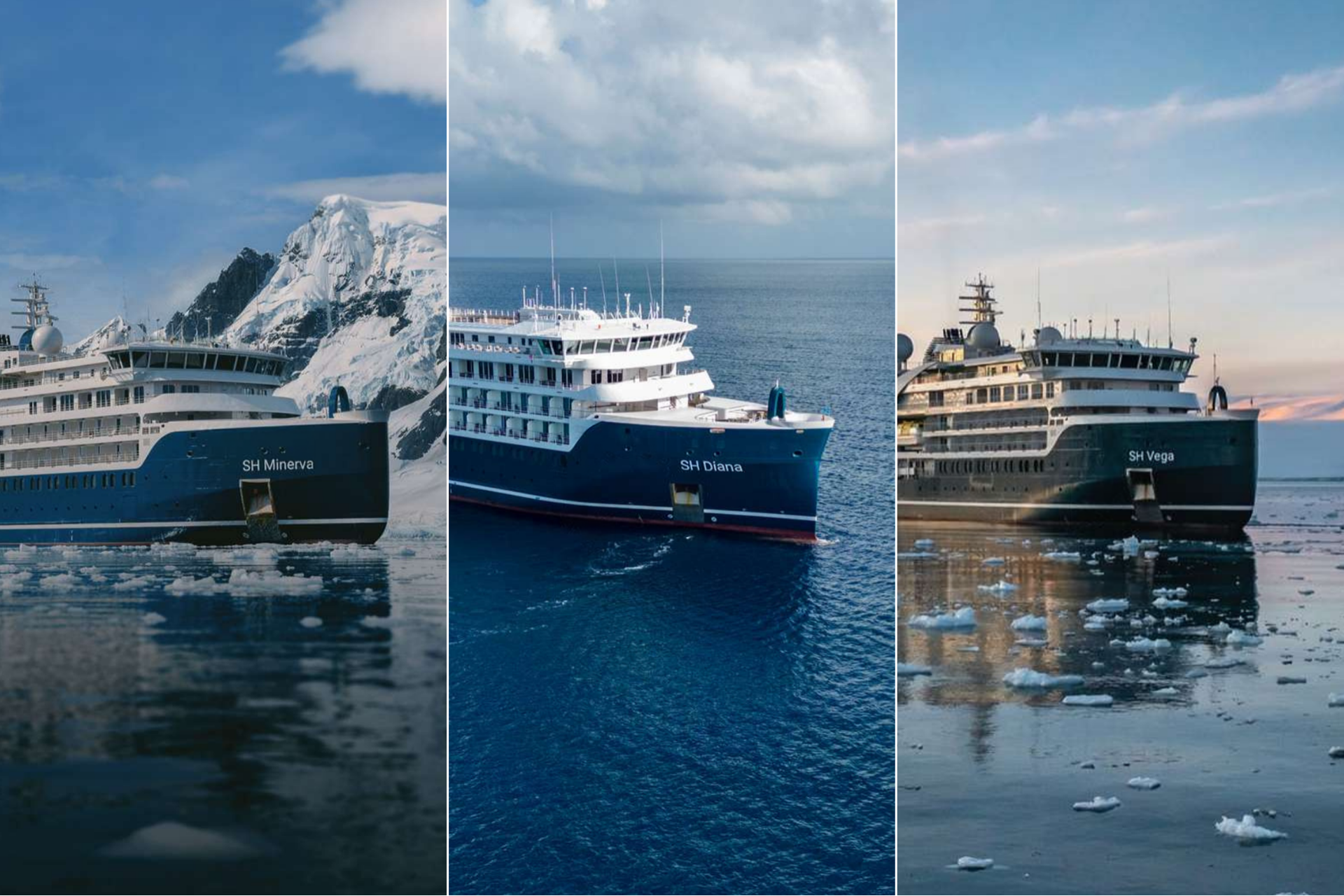
You’re killing your own close rate, and you don’t even realise it.
Most brokers approach yacht charter proposals the same way: compile 8-12 options, organise them by price or size, attach spec sheets, and send.
The logic seems sound, more options demonstrate thoroughness. They show you’ve done the research and they give clients flexibility to choose what works best.
Except research from Columbia University proves this approach destroys decision-making. Professor Sheena Iyengar’s famous jam study demonstrated that when shoppers encountered 24 varieties, only 3% made a purchase. When the selection narrowed to 6 varieties, conversion jumped to 30%. The difference wasn’t product quality or pricing. It was cognitive load.
Your charter proposals follow identical patterns. Consequently, the broker sending 12 yacht options loses to the competitor presenting 3 well-differentiated choices with clear rationale. This isn’t theory. It’s measurable in proposal response rates, decision timelines, and close ratios.
Let’s break down why yacht charter proposal best practices demand fewer, better-curated options, and how top brokers structure proposals that actually convert.
The Choice Paradox in Yacht Charter Proposals
Barry Schwartz documented this phenomenon in “The Paradox of Choice.” More options don’t increase satisfaction. They increase anxiety, delay decisions, and reduce confidence in final choices.
In luxury yacht charters, this effect amplifies. Clients aren’t comparing commodity products where specifications create clear differentiation. They’re evaluating experiential variables: crew personality, yacht layout, itinerary flexibility, past client reviews. These factors don’t compress into comparison spreadsheets. As a result, adding more options increases complexity without adding clarity.
Here’s what happens when you send 8-12 yacht options:
Decision fatigue sets in. Clients spend hours comparing length, beam, cabin configuration, water toys, crew size. Eventually, distinctions blur. Consequently, they either pick arbitrarily or delay the decision entirely.
Opportunity cost anxiety escalates. With 12 options, clients fear choosing “wrong.” What if Option 7 had better crew but they picked Option 4 for the slightly larger deck space? This anxiety doesn’t exist with 3 well-differentiated choices.
Broker credibility diminishes. When you present 12 options, the implicit message is: “I’m not sure which yacht suits you, so here’s everything vaguely relevant.” Meanwhile, presenting 3 options with specific rationale signals: “Based on your requirements, these are the optimal matches.”
Research from the Harvard Business Review confirms this. Studies of consumer decision-making consistently show that satisfaction increases when choice sets remain small and well-differentiated. Therefore, yacht charter proposal best practices prioritise curation over volume.
How Top Brokers Structure High-Converting Yacht Charter Proposals
The brokers closing at higher rates don’t send more options. They send fewer, better options with clear decision frameworks.
The Three-Option Proposal Framework
Present three yachts, each representing a distinct value proposition:
Option 1: The Safe Choice
This yacht meets every stated requirement. It’s the baseline. Proven track record, established crew, reliable performance. Clients choosing this option get exactly what they asked for with zero risk.
Option 2: The Stretch Choice
This yacht exceeds requirements in one meaningful dimension. Perhaps it’s a longer vessel offering more space. Or a newer yacht with superior amenities. Or access to an exclusive destination. This option costs 15-20% more but delivers tangible upgrades.
Option 3: The Value Choice
This yacht meets core requirements at a lower price point. Perhaps it’s slightly smaller or an older build, but crew reviews are exceptional and availability is perfect. Clients choosing this option free up budget for upgraded provisioning or extended charter days.
This framework eliminates paralysis. Each option has clear differentiation. Clients aren’t comparing 12 similar yachts. They’re choosing between three distinct value propositions.
Write Rationale, Not Just Specifications
Specifications don’t drive decisions. Context does.
Instead of listing length, beam, and guest capacity, explain why each yacht suits the client’s specific needs:
“Option 1 offers the space and stability you mentioned for your extended family group. The crew has managed multi-generational charters for six consecutive seasons, and their reviews consistently highlight attentiveness to varying age groups.”
“Option 2 exceeds your stated length requirement by 15 feet. This translates to larger communal areas and a dedicated children’s playroom. Given your emphasis on keeping the family together during meals, this layout advantage justifies the 18% price increase.”
“Option 3 delivers your core requirements at a price point that allows upgrading to premium provisioning. Based on your mention of celebrating your anniversary, allocating budget toward curated dining experiences rather than yacht size may better align with your priorities.”
Notice the pattern. Additionally, each description references specific client requirements. It connects yacht features to stated priorities. Furthermore, it provides clear rationale for why this option deserves consideration.
Use Comparison Tables That Guide Decisions
Comparison tables work when they guide rather than overwhelm. Create a simple matrix highlighting decision-relevant variables:
| Feature | Option 1 | Option 2 | Option 3 |
|---|---|---|---|
| Best For | Balanced choice | Maximum space | Maximum value |
| Guest Capacity | 10 | 12 | 8 |
| Crew Experience | 8 seasons | 3 seasons | 10 seasons |
| Water Toys | Standard | Premium | Standard |
| Availability | Perfect match | Requires flexibility | Perfect match |
| Price | €85,000 | €98,000 | €72,000 |
This table doesn’t list every specification. Instead, it highlights variables that actually influence decisions. Clients see trade-offs immediately. Consequently, they move from comparison paralysis to informed choice.
Common Charter Proposal Mistakes That Kill Conversions
Even brokers who limit options often sabotage conversions through poor presentation.
Mistake 1: Presenting options without hierarchy
Sending three options with equal emphasis forces clients to evaluate all three identically. This recreates choice paralysis at smaller scale.
Solution: Lead with a recommendation. “Based on your requirements, Option 1 represents the best fit. Options 2 and 3 offer trade-offs worth considering if your priorities shift.”
This establishes anchor bias. Clients evaluate alternatives relative to your recommendation rather than treating all options as equally viable.
Mistake 2: Including “just in case” options
“Here are my top three recommendations. I’ve also attached four additional yachts in case none of these work.”
You just added 133% more cognitive load while signalling lack of confidence in your curation. If the client’s requirements change, send revised recommendations. Don’t preemptively hedge.
Mistake 3: Focusing on features over outcomes
“This yacht has a 12-meter beam and sleeps 10 guests across 5 cabins.”
So what? Connect features to outcomes:
“The 12-meter beam provides exceptional stability in open water. Based on your mention of seasickness concerns, this width significantly reduces motion, making overnight passages more comfortable.”
Features describe the yacht. Outcomes describe the client’s experience. Moreover, clients buy outcomes, not features.
Mistake 4: Treating proposals as static documents
Top brokers treat proposals as conversation starters, not final offers. After sending three options, they follow up within 24 hours:
“I’d like to walk through the three options and answer any questions. Additionally, understanding which factors matter most helps me refine recommendations if none of these feel perfect.”
This positions the broker as advisor rather than order-taker. Furthermore, it creates space for clients to articulate concerns that weren’t evident in initial requirements.

The Psychology Behind Effective Yacht Charter Proposals
Understanding why fewer options convert better requires examining decision-making psychology.
Cognitive Load Theory
Human working memory processes 5-9 pieces of information simultaneously. When evaluating yacht options, each choice adds variables: price, size, crew, amenities, availability, location, reviews. Multiply these variables across 12 yachts and you’ve created cognitive overload.
Research from Princeton University demonstrates that decision quality degrades as cognitive load increases. Clients facing 12 options don’t make better decisions. They make worse decisions or defer entirely.
Paradox of Choice
Barry Schwartz’s research identified two decision-making personalities: maximisers and satisficers.
Maximisers seek optimal choices. They compare exhaustively, fear missing better options, and experience buyer’s remorse. Sending 12 options to a maximiser guarantees analysis paralysis.
Satisficers seek “good enough” choices. They establish criteria, find options meeting those criteria, and decide quickly. However, even satisficers struggle when faced with excessive options that all appear to meet criteria.
Consequently, yacht charter proposal best practices serve both personalities by limiting choice while ensuring each option represents distinct value.
Decision Fatigue
Judge Shai Danziger’s study of parole board decisions revealed that approval rates varied systematically by time of day. Morning decisions showed 65% approval rates. Late afternoon decisions dropped to nearly 0%. The variable wasn’t case quality. It was decision fatigue.
Clients reviewing yacht proposals experience identical patterns. The first three options receive careful consideration. Options 8-12 receive cursory glances. By limiting proposals to three options, you ensure each receives proper evaluation.
How Charter Itinerary Supports Effective Proposal Creation
If you’re going to implement yacht charter proposal best practices, you need systems that support curation without multiplying workload.
Charter Itinerary’s platform provides tools specifically designed for high-converting proposals:
Comparison frameworks that highlight decision-relevant variables without overwhelming clients with specifications.
Itinerary differentiation that shows how each yacht option enables different route possibilities, helping clients understand experiential trade-offs.
Guest preference tracking that captures stated priorities and automatically highlights yachts matching those criteria.
Proposal templates that structure options using proven psychological frameworks: recommended choice, stretch option, value alternative.
The brokers winning in 2026 aren’t manually building proposals from scratch for each client. They’re using platforms that embed yacht charter proposal best practices into workflows. Thus, curation becomes systematic rather than time-intensive. Explore Charter Itinerary’s proposal tools.
Stop Overwhelming Clients, Start Closing More Charters
Yacht charter proposal best practices aren’t about limiting clients. They’re about respecting how decisions actually work.
The brokers closing at higher rates understand that more options create more work for clients without adding value. Meanwhile, fewer, well-differentiated options with clear rationale reduce cognitive load, accelerate decisions, and increase satisfaction.
If you’re sending 8-12 options per proposal, you’re not demonstrating expertise. You’re demonstrating inability to curate. The clients who seem indecisive aren’t difficult. They’re overwhelmed by poor information architecture.
Top brokers structure proposals that guide rather than overwhelm. Consequently, they close faster, command higher fees, and build stronger client relationships.
Ready to structure proposals that actually convert?
Start your free trial to access Charter Itinerary’s proposal frameworks and comparison tools. Or book a personalised demo to see how top brokers use systematic curation to close more charters.
Frequently asked questions
Everything you need to know about creating high-converting yacht charter proposals.
How many yacht options should I include in charter proposals?
Should I lead with my top recommendation or present all options equally?
What if none of my three options work for the client?
How do I differentiate options when yachts have similar specifications?
Do high-net-worth clients expect more options to demonstrate thoroughness?
Still have a question?
Can’t find the answer to your question? Send us an email and we’ll get back to you as soon as possible!